The New Luxury Traveller – Why Personalisation Beats Perks in 2025
Tonia Kisliakov is an experienced travel professional with a passion for creating authentic, meaningful journeys worldwide. Through her leadership at Gateway Travel in Australia, she inspires travellers to explore with purpose, curiosity, and creativity – transforming each trip into a story worth remembering.

Luxury travel is undergoing a quiet revolution. The traditional model, five-star hotels, premium cabins, and high-touch service, is no longer enough to satisfy the new generation of discerning travellers. Today’s luxury customer wants something deeper, more intimate, and far more sophisticated, personalisation that feels effortless, intelligent, and deeply human.
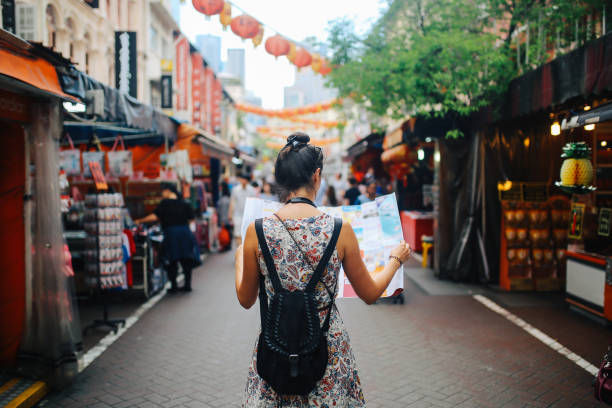
As someone who has worked across global destinations and watched travel evolve for decades, I believe we are entering the most transformative era the industry has ever experienced.
The rise of the new luxury traveller
The new luxury traveller is not defined by wealth or status, but by intention. They are informed, empowered, and curious. They value access over opulence, connection over consumption, and unique experiences over generic luxury.
They are asking:
“What does this trip say about me?”
“Does this destination align with my values?”
“Can I trust who is designing this journey for me?”
In this new landscape, personalisation is no longer a value-add. It is the currency of modern luxury.
Why perks don’t impress anymore
For years, luxury meant upgrades, champagne, priority lanes, and welcome gifts. But perks have become predictable. Worse, they can feel hollow when the overall experience lacks authenticity.
Travellers have evolved.
Their expectations have evolved.
And luxury providers must evolve too.
Today’s luxury client wants:
Curated itineraries that reflect their identity
Deep cultural access without feeling staged
Story-driven travel they can emotionally connect with
Brands they can trust with their time, safety, and values
Perks may delight, but personalisation transforms.
The role of AI, and why human intelligence still wins
AI is reshaping travel faster than any industry predicted. It can analyse preferences, curate options, and streamline logistics. But AI cannot replace the experiential intelligence gained from decades of real travel, lived understanding, and human connection.
At Gateway Travel, our team has been travelling to destinations like Norfolk Island since 1972. That multi-generational insight, combined with modern AI tools, is where the true power lies.
AI modernises travel.
But humans contextualise it.
Luxury requires both.
Personalisation as a luxury philosophy
Personalisation in 2025 is not about customising an itinerary. It is about designing a travel identity, a reflection of how a person wants to experience the world.
It means:
Matching travellers with destinations that mirror their energy
Knowing which experiences create lifelong memories
Understanding personality, comfort levels, and emotional triggers
Crafting journeys that feel effortless, curated, and quietly luxurious
Luxury travel is shifting from “What can we give you?” to “Who are you, and how do you want to feel?”
Why the future of luxury is micro-destination travel
The global fatigue of overcrowded tourism has sparked a new movement, a return to slow, mindful, meaningful travel in places untouched by mass tourism.
Destinations like Norfolk Island, Lord Howe Island, and other micro-locations offer:
Calm
Space
Culture
Authentic connection
Nature-driven wellbeing
This new luxury traveller wants intimacy.
They want space to breathe.
They want destinations with a soul.
Trust will become the ultimate luxury
In a world of algorithms, marketing hype, and travel chaos, the rarest luxury is trust.
Travellers now seek:
Advisors who have actually been to the destination
Companies with generational credibility
Brands that have survived global disruptions
Human-guided expertise, not automated guesswork
Luxury travel has become less about the destination, and more about who you trust to get you there.
Conclusion: personalisation is the new status symbol
The world has changed, and so has the definition of luxury. The new luxury traveller is driven by meaning, identity, and connection, not perks.
The brands that will succeed in 2025 and beyond are the ones that can offer:
Human-led personalisation
AI-enhanced intelligence
Destinations with authenticity
Deep understanding built on real experience
Luxury is no longer bought. Luxury is curated, by those who truly understand the traveller.
Read more from Tonia Kisliakov
Tonia Kisliakov, CEO/ Director of Gateway Travel
Tonia Kisliakov is an Australian travel professional dedicated to helping people experience the world with authenticity and purpose. With years of experience crafting tailored holidays through Gateway Travel, she believes travel is a powerful form of connection and personal growth. Tonia combines creativity, cultural insight, and care to design journeys that inspire lifelong memories and new perspectives. Her mission: to turn every journey into a story worth sharing.