

The Busy Professional’s Guide To Simple And Healthy Meal Planning
Written by Jason Whistler, Health & Wellness Expert
Jason Whistler is a leader in health, wellness and personal development and the founder of Yakushi-An wellness centers. He is dual, board-certified in Health & Wellness Coaching and Therapeutic Bodywork and has the distinction of teaching Ninpo Taijutsu for over 20 years.

In the fast-paced world of professionals, executives, and entrepreneurs, healthy eating often takes a backseat to more pressing matters. Yet, we all know the importance of fueling our bodies with the right foods to maintain energy, focus, and overall well-being. That’s where simplified meal planning comes in.
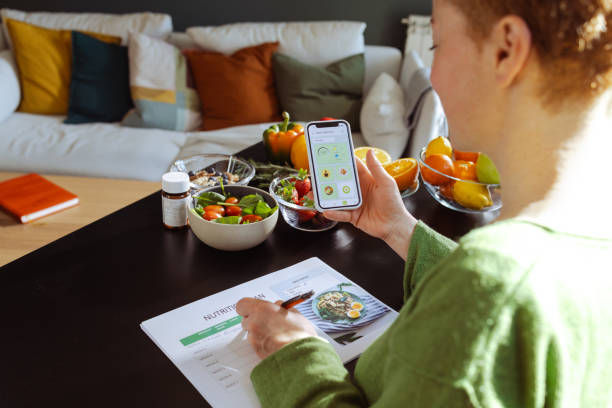
Simplifying meal planning: The 3-step approach
Meal planning doesn't have to be complex. In fact, it can be boiled down to three simple steps:
Choose a protein: Whether you prefer grass-fed meats, wild-caught fish, or plant-based proteins like tofu or legumes, the focus should be on quality sources that suit your dietary preferences.
Pick your vegetables: Aim for a variety of colors and types, ensuring you get a broad spectrum of nutrients. Leafy greens, cruciferous vegetables, and root veggies should all have a place on your plate.
Add a nutrient-dense starch (if needed): For those who require a bit more energy, options like sweet potatoes, quinoa, or even a small serving of brown rice can provide that extra boost without compromising your health goals.
Catering to different dietary preferences
No one size fits all when it comes to diet, especially in today’s diverse culinary landscape. Whether you’re following a paleo-style whole foods blueprint, or adhering to vegan or vegetarian principles, meal planning can be adapted to meet your needs without sacrificing convenience or taste.
For those following a Primal or Paleo plan, the focus remains on whole, unprocessed foods. Think quality meats, plenty of vegetables, and minimal grains. Meanwhile, Vegan and Vegetarian professionals can prioritize plant-based proteins, plenty of vegetables, and some whole grains to create balanced, nutrient-dense meals. As you can see, the three-step approach works perfectly for both styles, despite their differences, and I've found it works both at home and when out at a restaurant or public event.
Practical tips for busy professionals
Meal prep: Set aside time once or twice a week to prepare meals in advance, and if you're really tight on time, you can buy veggies already prepared. This ensures you have healthy options ready to go, even on your busiest days.
Versatile ingredients: Choose ingredients that can be used in multiple meals, reducing the time and effort required to shop and cook. In my house, we almost always have broccoli and mixed greens prepped and ready to go with any quick meal.
Smart snacking: Keep nutritious snacks like nuts, seeds, or carrot sticks on hand for when you need a quick energy boost between meetings.
Conclusion
Healthy meal planning doesn’t have to be a chore. By simplifying your approach you can both accommodate the different eating styles that may exist in your home and ensure that you’re always fueled for success. Remember, the best meal plan is the one that you implement and it fits seamlessly into your lifestyle.
When I'm working with my clients to create more in-depth and personalized planning and approaches to match their needs, we always start with this mantra, “Pick your protein, then fill the plate with veggies and, if there is still a little room left, add in nutrient-dense, high fiber starches.”
Read more from Jason Whistler
Jason Whistler, Health & Wellness Expert
Jason Whistler is a leader in health, wellness, and personal development, and the founder of Yakushi-An wellness centers. He is dual board-certified in Health & Wellness Coaching and Therapeutic Bodywork, and has the distinction of teaching Ninpo Taijutsu for over 20 years. With a deep understanding of bio-mechanics, health, and human potential, Whistler has developed strategies that significantly enhance physical and mental well-being. He has dedicated his life to helping others break free from pain and stress, enabling them to enjoy more ease, joy, and fulfillment in their lives. His mission: Empower individuals to achieve true life mastery.
Sources:







