Meet Howard Wolk, Author Of Launchpad Republic: America's Entrepreneurial Edge And Why It Matters
Howard Wolk is an entrepreneur and investor based in Boston, and the co-author (with John Landry) of Launchpad Republic: America’s Entrepreneurial Edge and Why It Matters.
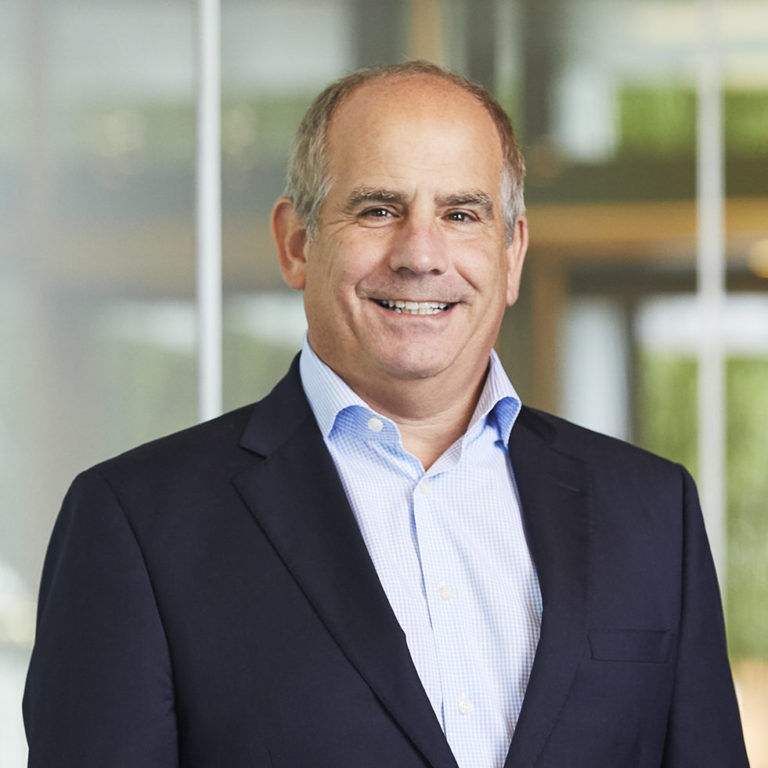
Hi Howard! Introduce yourself to our readers.
I am a Bostonian now living in London with my wife and two daughters. I grew up the son of a small businessman and watched my father build a company. After college, law school, and a few years as a corporate and White House attorney, I went back to help build the company. I also started and built a half-dozen other ones.
What kind of audience do you target your book towards?
I have always felt that entrepreneurship has not been fully understood by economists, policy wonks, historians, or the general population. Of course, everyone understands the importance of startups and small businesses. But the dynamic between startups and established companies, and how that spills over to social and political changes, has long been ignored.
What would you like to achieve for yourself and your book in the future?
This book was a labor of love and a chance to learn about and wrestle with important issues across several disciplines. I genuinely believe that entrepreneurs are and will continue to change the world, and we need to understand how that operates. We also need to make sure we harness that energy to solve problems and build incentives to better share the wealth. I hope our book helps bring those issues to the fore and serves as a catalyst for discussion.
What is your writing inspired by?
We have seen the power of entrepreneurship over the last three decades. It is amazing. Yet we can build on it and make it better, while curbing some of the excesses and collateral damage. If we can harness entrepreneurship just a little bit better, we can make the world better for, literally, billions of people.
Tell us about your greatest career achievement so far.
I have been fortunate to do many things – helping to start and build several companies, working in the White House, teaching a study group at Harvard, and creating a non-profit to help bridge the city-suburban divide in Greater Boston. But the milestone that has meant the most to me is seeing our main family business (Agero, the largest provider of roadside assistance in North America) reach its 50-year anniversary. The best part of it has been working with the many people involved in building it. It has been a real collaboration, and we all grew and prospered in the process.
If you could change one thing about entrepreneurship, what would it be and why?
I would love to see more incentives for sharing the wealth. Most technology businesses offer stock options, and most successful older companies have rewards and compensation systems in place to attract, motivate, and retain talent. But we can do more to offer carrots to companies of all types to drive these programs farther and deeper into companies and into the economy generally.
Tell us about a pivotal moment in your life that brought you to where you are today.
I wasn’t born with a silver spoon, but I had all the right ingredients in place: wonderful parents, siblings, and friends. I grew up in an academically-oriented town (Lexington, Mass.), and was able to stay focused on achieving goals. Rather than a single pivotal moment, I took lots of small steps, built on a great foundation.