

Looking Through Someone Else’s Eyes – The True Essence Of Empathetic Leadership
Written by: Tara Sutorius, Executive Contributor
Executive Contributors at Brainz Magazine are handpicked and invited to contribute because of their knowledge and valuable insight within their area of expertise.

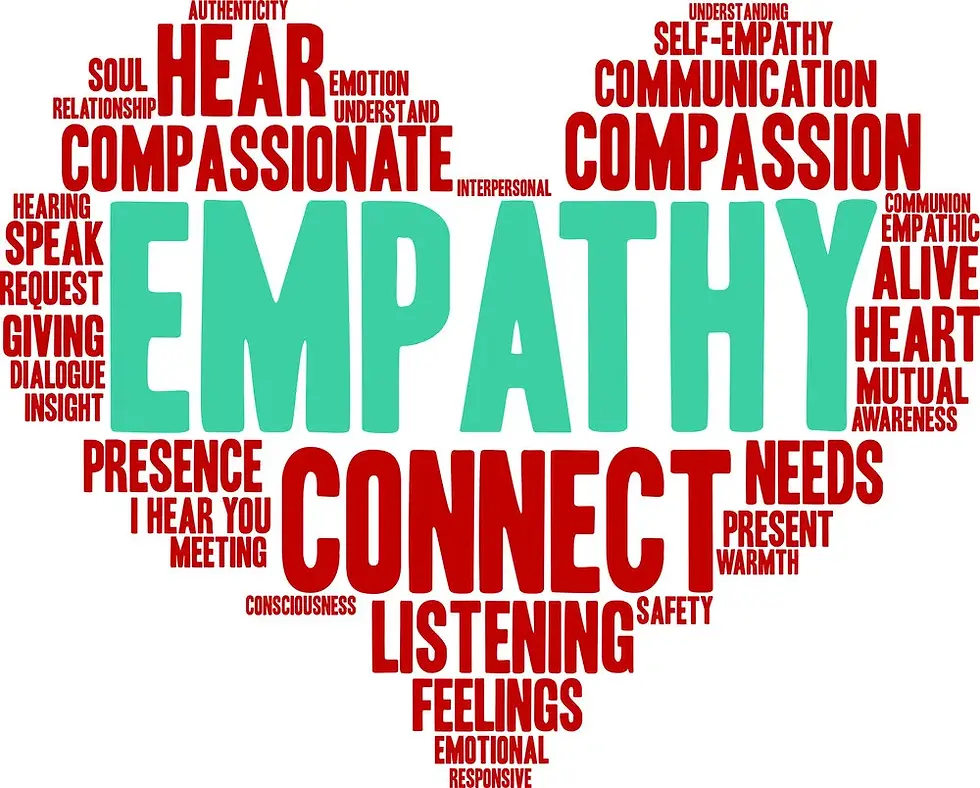
Over the last several years, with the world at crossroads on every front, empathetic leadership has never been more essential. But what does it truly mean to practice empathy as a leader? Is it something one naturally possesses, or can it be learned? If you are not sure what camp you fall into, I invite you to consider this awesome leadership superpower – “looking AT versus looking AS.”
Traditionally, leaders are taught to spend most of their time ‘Looking AT’ their employees and consider things like an employee’s:
professional experience
education
external successes
behaviours
performance
communication skills
brand
The challenge with only “looking AT” an employee is that we miss the depth of that person. Why? Because we are only looking at one dimension– their strengths and weaknesses – and then assessing and evaluating by judging the observable behaviours we see and interpreting them with our own personal lens or bias. The challenge with this method is that it means leaders are only seeing what’s above the water (the top of the iceberg).
When we flip the switch and choose to employ the “Looking AS” superpower, we are putting ourselves in our employee’s shoes and seeing the world through their eyes by sitting in non-judgment and parking our pre-conceived ideas at the door. To do this effectively, a leader must connect to their natural human ability to empathize. And when one can do this authentically, their team members feel seen, heard, and – above all – understood. When committing to “Looking AS,” consider an employee’s:
communication preferences
passions and natural talents
what lights them up
fears and triggers
what closes them down
underlying mindsets & beliefs
While going below the water line and “looking AS” takes work and commitment, it is absolutely worth the time investment. Not only does it transform working relationships for the better, but it also creates psychological safety, which helps to lay the foundation for lasting trust. And trust, after all, is what is needed to evolve organizational culture and deliver even greater value for the end customer.
The next time you are preparing for a challenging conversation or simply a routine 1:1, skip-level, or performance meeting, take a few minutes to ground yourself, dig deep and imagine what it might be like for that employee to go through the world. Dig deep. Picture yourself looking out through their eyes. Once a leader truly understands the root cause of what drives a behaviour or reaction (both positive and negative), they can effectively and compassionately influence a meaningful, lasting change – and maybe even change someone’s life.
Tara Sutorius, Executive Contributor Brainz Magazine
As a certified professional coach trained with Erickson International Coaching, Barrett Values Centre and Career Joy, as well as an accredited PCC-level coach with the International Coach Federation (ICF), Tara Sutorius specializes in helping individuals better understand their personal core values so they may live a more purpose-driven life in alignment with what is most important to them in their personal and professional lives.
Tara is also the Director of Corporate Communications at Export Development Canada (EDC) and the founder of “Tara Sutorius Coaching and Wellness” – a coaching company offering compassionate, transformational and values-based personal leadership, career and wellness coaching. Working alongside senior leaders in both the private and public sector for over 20 years, Tara has a keen sense of what is required to be able to connect with one’s personal and professional leadership mission in order to effect meaningful change over the long-term and build greater resiliency both at home and at work.
What Tara loves most about coaching is helping guide individuals through powerful questioning and transformational conversations. Her coaching style is compassionate, action-oriented, motivational, connected and intuitive. She can help guide you to better align your values with your dream job, clarify your passions, set clear goals and take greater ownership of your career and overall wellness.







