Healing With A Group Approach
Written by: Jen Landry, Executive Contributor
Executive Contributors at Brainz Magazine are handpicked and invited to contribute because of their knowledge and valuable insight within their area of expertise.

“It takes a village” might be one of the most common phrases in motherhood. Although it is true, mothers should be looking at it from a new perspective.
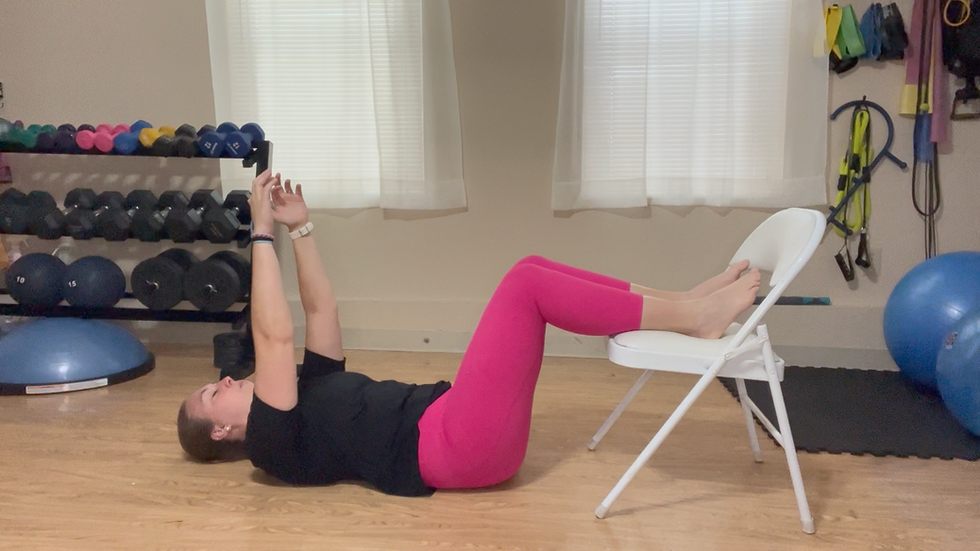
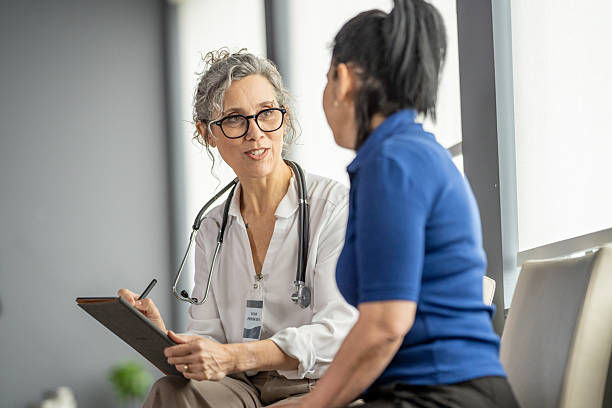
From the day a mother starts thinking about starting a family, previous thoughts become current actions. This can be everything from finding the right partner, tracking ovulation, and changing certain habits (like less drinking or more movement). Then the very first thing a woman does after getting a positive pregnancy test is head to their OB-GYN or find a midwife or doula. They then have this other wonderfully educated, experienced person in their corner throughout the pregnancy journey. Pregnant moms are then monitored, tracked, and guided for the remainder of their 40 weeks. Whether the pregnancy is with or without complications, someone is there to answer any question, fix any issues, and make sure the proper steps are taken to prep for birth. Once in the hospital (or birthing place of choice), there is more support and guidance. Then they are released to go home, where they are then left to trust the other women and mothers in their lives. The ones who have done this before, been there before, or helped before. In some cases, they don’t even have that. However, from that very day a mother starts to start a family, there is very little thought given to the physical demand placed on the body throughout the process. Most, if not all, women know that working out is beneficial for a multitude of reasons. Most, if not all, women know that working out is beneficial for their babies during pregnancy. Usually, that is the extent of their knowledge. This is where I think having an amazing team paired with an OB-GYN, doula, or midwife should be standard care both during and after pregnancy. During pregnancy, there are a lot of changes that the body goes through to make room for and grow the baby. Pregnancy, birth, and postpartum all place different physical demands on the body as well. So why are pregnancy and postpartum care not paired with a pelvic floor physical therapist and pregnancy and postpartum certified personal trainer? If women had a larger village from the start, mothers would come out stronger, more fabulous, and extra confident on the other side. The stronger you can be during pregnancy, the easier the birth could be, and then ultimately stronger and back on your feet sooner. Having someone who can safely and appropriately guide you during pregnancy, birth, and postpartum and who can teach you how to strengthen your core and protect your pelvic floor. Knowing how to manage your core pressure can keep things like back pain, leaking, and prolapse to a minimum. Learning how to breathe and use your abs, then giving birth, can go more easily and with less trauma to the body. Having a stronger pregnancy and birth allows the mom to be stronger and back on her feet sooner. In my opinion, Pelvic Floor (PF) Physical Therapy and Prenatal Personal training should be paired with OB-GYN care. If women met with a PF therapist once a month to check on things internally and make sure the pelvic floor is relaxing and contracting appropriately while seeing a PCES Personal Trainer (like me) on a regular basis (say 2-3 times a week), prenatal life would be so much better. So many more women would be maintaining the strength and posture they had prior to children, and in some cases even improving it while pregnant! Making sure to Protect their pelvic floors, abs, and back should be just as important as eating the right foods and avoiding harmful things for the sake of the baby. A PF therapist and PCES trainer can also help work with the birthing specialist (doula/midwife/doctor) to place the mother in the most ideal birthing position. Again, to care for their pelvic floor, abs, and back and make birth smooth and relatively easy. By working hard during pregnancy and birth, a women’s postpartum body can recover more easily while remaining strong and supported.
Then if this same care were taken with women after birth, then life as we know it would change. Say goodbye to crossing your legs when you cough or laugh and even the constant jokes about it. Back pain could be a thing of the past! Imagine the possibilities. All women need prenatal and postpartum care that includes both care and watch of baby (OB-GYN), as well as physical care and watch of the mother (PF therapist as well as PCES Personal Trainer). We need to be having these discussions. Contact me today to find your next pregnancy and postpartum corrective exercise specialist.
Jen Landry, Executive Contributor Brainz Magazine
Jen Landry is a leader in functional fitness. She specializes in pregnant, postpartum, and everyday women. As a mother of two little girls and two pregnancies that left Jen feeling weak, broken, and in need of answers, she discovered the Pregnancy and Postpartum Corrective Exercise Certification. Obtaining this certification changed the way Jen looked at pregnancy and postpartum fitness as well as female health in general. It ignited a fire to help as many women as possible, so they could avoid what Jen experienced. She is the CEO and Owner of Moms Fit Life. Her Mission: Teach Moms they can trust their bodies again and rock mom life with confidence!